






20/10/2025
11/10/2025
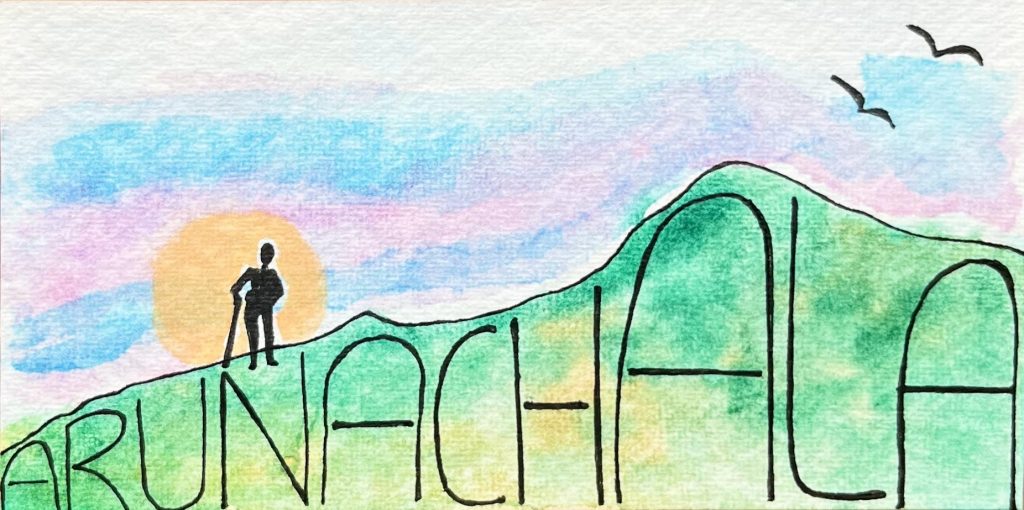
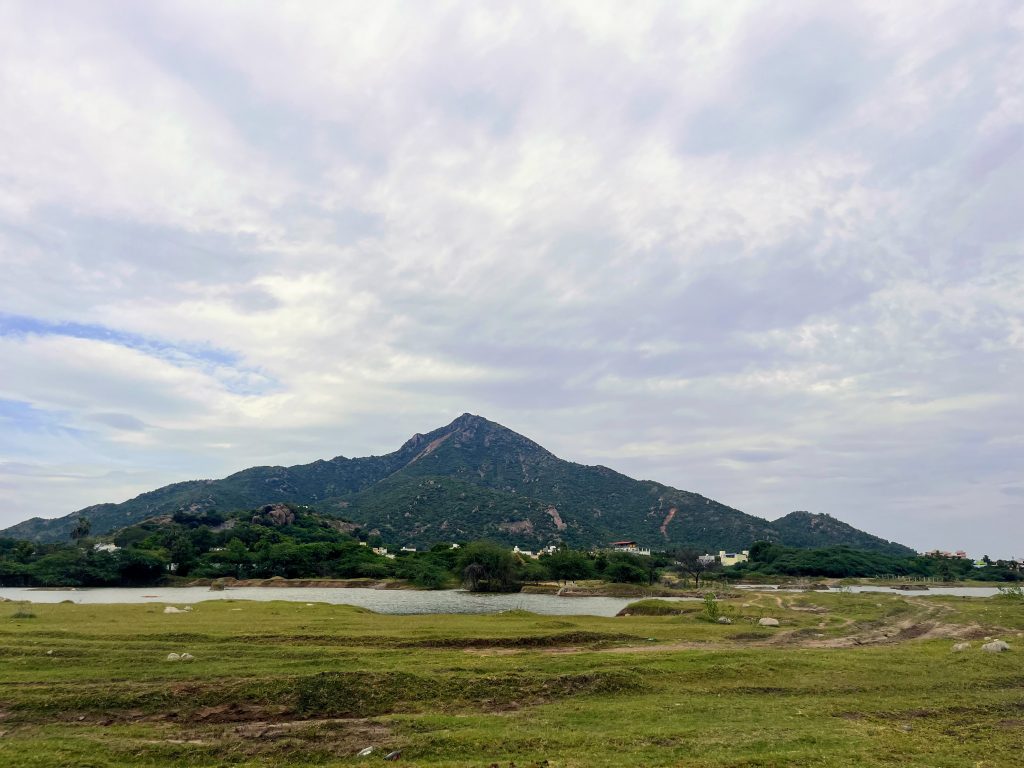
Blessings to the one who writes, blessings to the one who reads. This body is flying to Madrid in a few hours for the Long Term Visa. Arunachala Shiva, Arunachala Shiva, Arunachala Shiva Om. I trust and surrender.
7th Oct 2025
Brhad-āranyaka Upanishad, verse 12 and 13
As the ocean is the one goal (meeting-place) of all waters, as the skin is the one goal of all smells, as the tongue is the one goal of all tastes, as the eye os the one goal of all forms, as the ear is the one goal of all sounds, as the mind is the one goal of all intentions, as the heart (intellect) is the one goal of all knowledge, as the hands are the one goal of all forms of delight, as the anus is the one goal of all evacuations, as the feet are the one goal of all movements, a the (organ of) speech is the one goal of all the Vedas.
~
As a mass of salt is without inside, without outside, is altogether a mass of taste, even so, verily, is this Self without inside, without outside, altogether a mass of intelligence only. Having arisen out of these elements (the Self) vanishes again in them. When he has departed there is no more consciousness. Thus, verily say I’, said Yājñavalkya.
Particular consciousness is due to association with elements; when this association is dissolved through knowledge, knowledge of oneness is obtained and particular consciousness dissapears.
26th Sep 2025
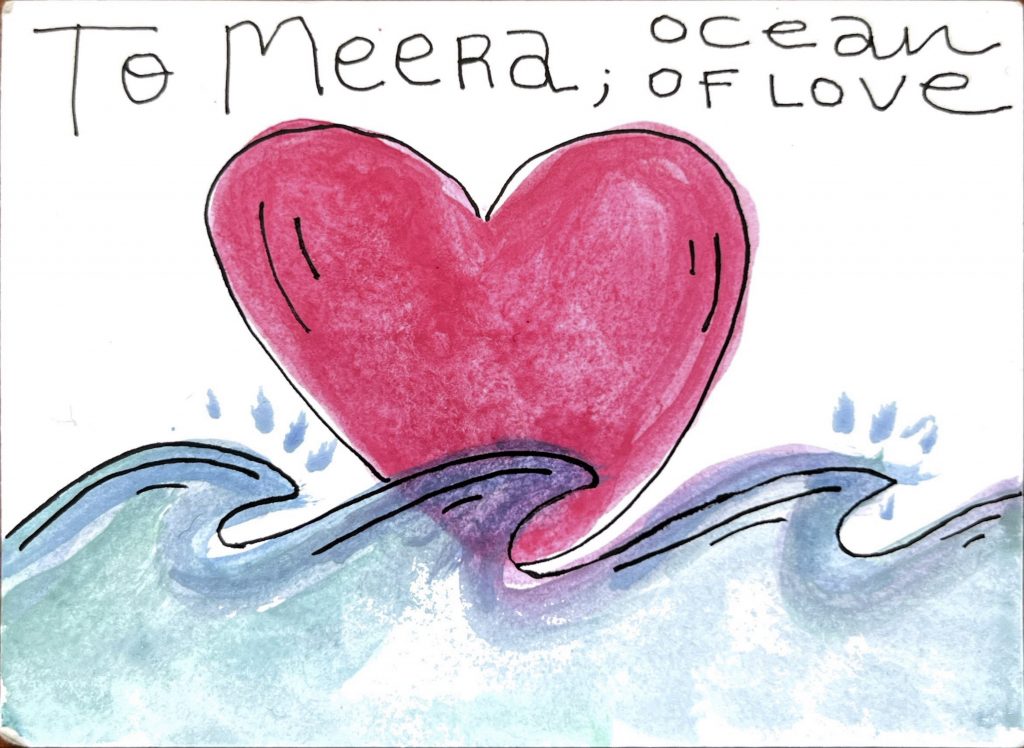
Message sent to my dear friend Dirk, who is, as he would say: “An awesome dude!” He might not know this but I love him very much :).
Just a message of love before bed.
Read today 17th Sept 2025.
Verse 12 from Katha Upanisads.
naiva vācā na manasā prāptum sakyo na caksusā, astīti bruvato,’nyatra katham tad upalabhyate.
Not by speech, not by mind, not by sight can he be apprehended. How can he be comprehended except by him who says, ‘He is’?
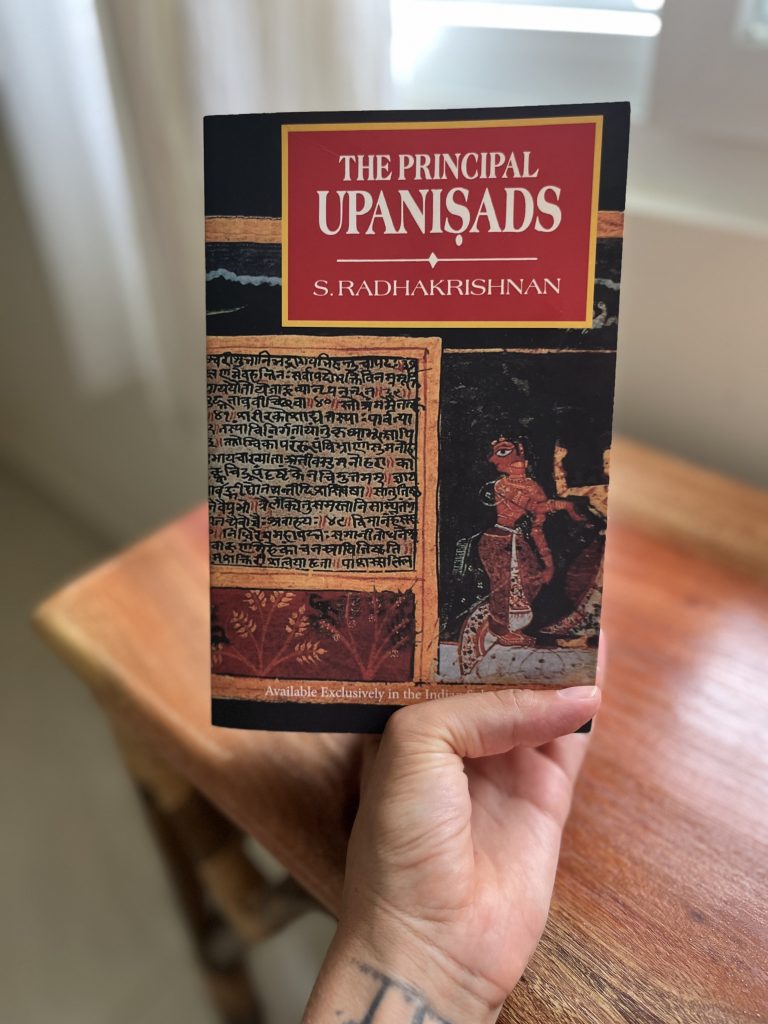
P. 646-647, Upanisads, S. Radhakrishnan.
He is becoming one, he does not see, they say; he is becoming one, he does not smell, they say; he is becoming one, he does not taste, they say; he is becoming one, he does not speak, they say; he is becoming one, he does not hear, they say; he is becoming one, he does not think, they say; he is becoming on, he does not think, they say; he is becoming one, he does not touch, they say; he is becoming one, he does not know, they say. The point of his heart becomes lighten up and by that light the self departs either through the eye or through the head or through other apertures of the body. And when he thus departs, life departs after him. And when life thus departs, all the vital breaths depart after it. He becomes one with intelligence. What has intelligence departs with him. His knowledge and his work take hold of him as also his past experience.
Every organ becomes united with the subtle body, lingātman. S. pūrva-prajnā: past experience, former intelligence, the results of this past life, purvānubhūta-visaya-prajnā, alīta karma-phalānubhava-vāsana. S.S referes to those who are clever in painting though they had no practice in this life and traces their skill to past experience. These impressions of the past, under the control of knowledge and work, stretch out like a leech from the body and build another body in accordance with past work. vidyā-karma-pūrva-vāsanā-laksanam elat tritayam sākatika sambharā-sthānīyam para-loka-pātheyam. R. The individual is born according to the measure of this understanding. Aitareya Āranyaka II. 3. 2. Kālidāsa in his Sākuntala, Act IV, says that when a being who is (in all other aspects) happy becomes conscious of an ardent longing, when he sees beautiful objects or hears sweet sounds, then in all probability, without being aware of it, he remembers with his mind the friendship of former lives, firmly rooted in his heart.
P. 270-271, Upanisads, S. Radhakrishnan.
Read today 15 Sept 2025:
sa eso’nimā aitad ātmyam idam sarvam, tat satyam , sa ātmā, tat tvam asi, svetaketo, iti: bhūya eva mā, bhagavān, vijnāpayatv iti, tahā saumya, iti hovāca.
That which is the subtle essence, this whole world has for its self. That is the true. That is the self.That are thou, Svetaketu. ‘Please, Venerable Sir, instruct me still further. ‘So be it, my dear’, said he.
P. 460-461. Upanisads. S. Radhakrishnan.